
Admiral Safety Consultants

Certified HSE Training: Your Path to Workplace Safety
In today's fast-paced work environment, ensuring the safety of employees is not just a legal obligation but a moral one. With increasing workplace hazards, the need for effective Health, Safety, and Environment (HSE) training has never been more critical. Certified HSE training programs equip individuals with the knowledge and skills necessary to create a safer workplace. This blog post will explore the importance of certified HSE training, its benefits, and how it can be your path to a safer work environment.

Understanding HSE Training
HSE training focuses on the principles of health, safety, and environmental management in the workplace. It encompasses various topics, including risk assessment, emergency response, and environmental protection. The primary goal of HSE training is to minimize accidents and incidents, ensuring a safe working environment for all employees.
The Importance of HSE Training
Legal Compliance
Many countries have strict regulations regarding workplace safety. Certified HSE training helps organizations comply with these laws, reducing the risk of legal penalties and enhancing their reputation.
Risk Management
HSE training equips employees with the skills to identify potential hazards and implement effective control measures. This proactive approach to risk management can significantly reduce the likelihood of accidents.
Employee Well-being
A safe work environment contributes to the overall well-being of employees. When workers feel safe, they are more productive and engaged, leading to improved morale and job satisfaction.
Environmental Responsibility
HSE training emphasizes the importance of environmental protection. By educating employees on sustainable practices, organizations can reduce their environmental footprint and contribute to a healthier planet.
Types of HSE Training Programs
There are various types of certified HSE training programs available, each tailored to specific industries and needs. Here are some common types:
General HSE Training
This foundational training covers essential topics such as workplace hazards, safety protocols, and emergency procedures. It is suitable for all employees, regardless of their job roles.
Industry-Specific Training
Certain industries, such as construction, manufacturing, and healthcare, have unique safety challenges. Industry-specific HSE training programs address these challenges, providing employees with the knowledge they need to work safely in their specific environments.
Advanced HSE Training
For those looking to deepen their expertise, advanced HSE training programs focus on specialized topics such as risk assessment, incident investigation, and safety management systems. These programs are ideal for safety professionals and managers.
Benefits of Certified HSE Training
Investing in certified HSE training offers numerous benefits for both employees and organizations. Here are some key advantages:
Enhanced Safety Culture
Certified HSE training fosters a culture of safety within the organization. When employees are educated about safety protocols and best practices, they are more likely to prioritize safety in their daily activities.
Reduced Accidents and Incidents
Organizations that invest in HSE training often see a significant reduction in workplace accidents and incidents. This not only protects employees but also saves organizations money on workers' compensation claims and legal fees.
Improved Employee Retention
A commitment to employee safety can lead to higher retention rates. Employees are more likely to stay with an organization that prioritizes their well-being and invests in their professional development.
Increased Productivity
When employees feel safe, they can focus on their work without the distraction of potential hazards. This increased focus can lead to higher productivity levels and better overall performance.
How to Choose the Right HSE Training Program
Selecting the right HSE training program is crucial for maximizing its effectiveness. Here are some factors to consider:
Accreditation
Ensure that the training program is accredited by a recognized body. This guarantees that the program meets industry standards and provides high-quality education.
Relevance to Your Industry
Choose a program that is tailored to your specific industry. Industry-specific training will address the unique challenges and hazards your employees face.
Delivery Method
Consider the delivery method of the training. Options may include in-person workshops, online courses, or a hybrid approach. Choose a method that best suits your organization's needs and employees' learning preferences.
Trainer Qualifications
Verify the qualifications of the trainers. Experienced trainers with a strong background in HSE will provide valuable insights and practical knowledge.
Implementing HSE Training in Your Organization
Once you have selected a certified HSE training program, it's essential to implement it effectively. Here are some steps to consider:
Assess Training Needs
Conduct a thorough assessment of your organization's training needs. Identify specific hazards and areas where employees require additional training.
Develop a Training Schedule
Create a training schedule that accommodates employees' work hours. Ensure that all employees have the opportunity to participate in the training.
Monitor Progress
Track employees' progress throughout the training program. This can include assessments, quizzes, and feedback sessions to ensure that the training is effective.
Foster a Culture of Safety
Encourage employees to apply what they have learned in their daily work. Recognize and reward safe practices to reinforce the importance of safety in the workplace.
Real-World Examples of HSE Training Success
To illustrate the impact of certified HSE training, let's look at a few real-world examples:
Case Study 1: Construction Company
A construction company implemented a comprehensive HSE training program for its employees. As a result, the company saw a 40% reduction in workplace accidents within the first year. Employees reported feeling more confident in their ability to identify hazards and respond to emergencies.
Case Study 2: Manufacturing Facility
A manufacturing facility faced high turnover rates due to safety concerns. After introducing certified HSE training, the facility experienced a significant improvement in employee retention. Workers felt more valued and secure in their roles, leading to a more stable workforce.
The Future of HSE Training
As workplace safety continues to evolve, so too will HSE training programs. Emerging technologies, such as virtual reality and augmented reality, are being integrated into training programs to provide immersive learning experiences. These advancements will enhance the effectiveness of HSE training, making it more engaging and impactful.
Conclusion
Certified HSE training is not just a requirement; it is a vital investment in the safety and well-being of employees. By prioritizing HSE training, organizations can create a safer work environment, reduce accidents, and foster a culture of safety. As we move forward, embracing innovative training methods will further enhance the effectiveness of HSE programs, ensuring that workplace safety remains a top priority.
In summary, take the next step towards a safer workplace by exploring certified HSE training options for your organization. The benefits are clear, and the impact on employee safety and well-being is invaluable.
Recent Posts
Essential Safety Audits for Construction Sites in Dubai
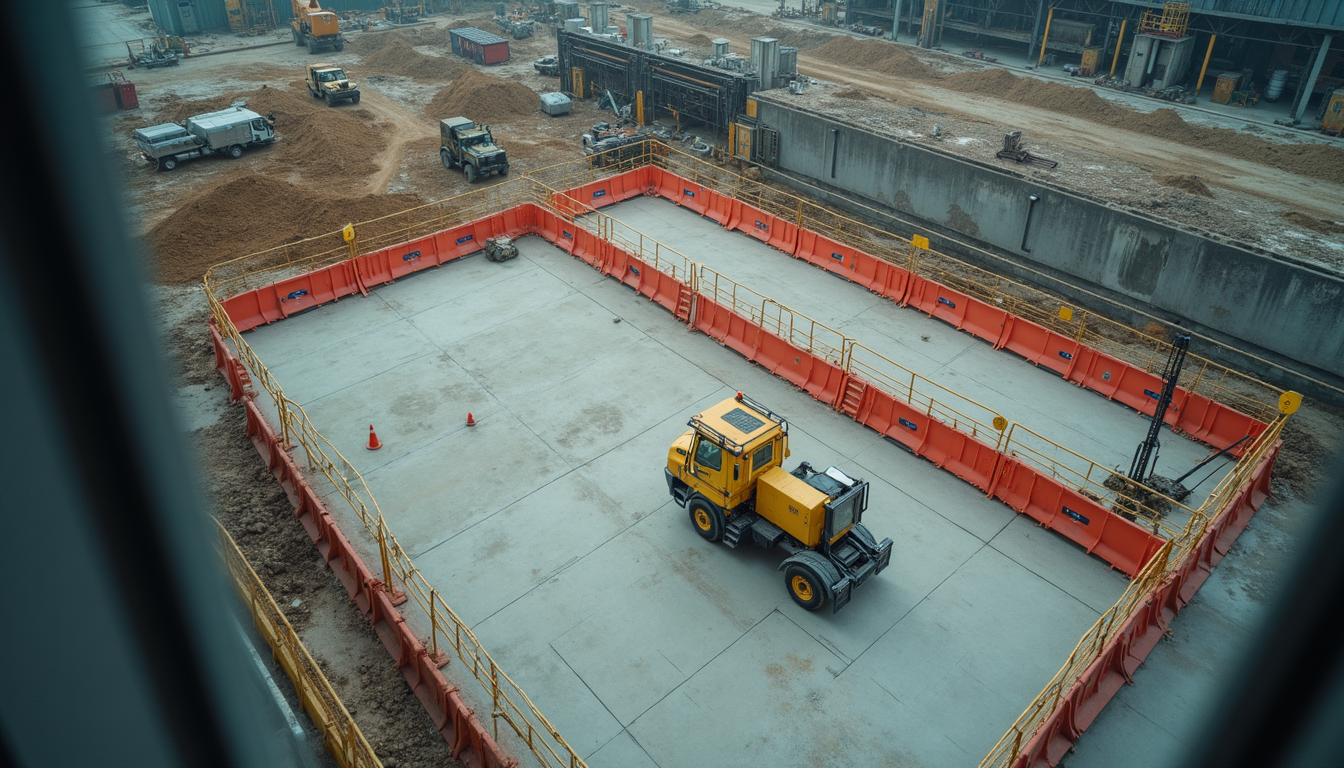
Construction sites are inherently risky environments, and ensuring the safety of workers and the public is paramount. In Dubai, where construction is booming, the need for comprehensive safety audits has never been more critical. This blog post will explore the essential safety audits for construction sites in Dubai, highlighting their importance, the types of audits, and best practices for implementation. High angle view of a construction site with safety barriers and equipment Understanding...

Importance of Lifting Equipment Inspections Explained
Lifting equipment plays a crucial role in various industries, from construction to manufacturing. However, the safety and efficiency of this equipment depend heavily on regular inspections. Neglecting these inspections can lead to catastrophic failures, injuries, and significant financial losses. In this post, we will explore the importance of lifting equipment inspections, the types of inspections available, and best practices for ensuring safety and compliance. Eye-level view of a lifting...